
Storage Options Abound – Choose Wisely
Our belongings often outgrow our living spaces. That doesn’t mean that it’s time to start shopping for a new home, or that it’s time to haul your prized possessions to a resale store or hawk your favorite pair of powder skis online. Most likely it’s time to organize your possessions into essentials and seasonal items. Once you’ve done that, it’s time to shop for a storage unit. Before renting a storage unit, double-check your home storage options—this can prevent unnecessary rental and save you money. There are plenty of options in Central Oregon. You’ll find storage units in Bend, self-storage facilities in Redmond & Prineville. However, finding the best storage unit isn’t as simple as searching “storage units near me” on Google and clicking on the first result.
Choosing the right storage unit can be overwhelming, with various factors playing a crucial role in the decision-making process. Creating a detailed plan by listing and organizing your belongings, and identifying your largest items, can help you quickly estimate whether you need a small, medium, or large unit. Finding the best self-storage unit requires a careful balance of priorities, from location and security to access, affordability, and potential perks.
Whether you’re downsizing, relocating, or simply need extra space, the location of a storage unit can immensely impact convenience. Understanding the importance of security measures, access protocols, and the associated costs can safeguard your belongings and your budget. The average cost of a storage unit in 2024 is $185 per month, with prices ranging from $75 to $300. The price difference between small and medium storage units is more than $1000 per year. When comparing providers, Extra Space Storage, Neighbor, and CubeSmart are the most affordable, each with an average monthly price of approximately $160. As perks like climate control and 24/7 availability enhance the storage experience, recognizing these can help you make a well-informed choice. Considering moving containers can also be a cheaper alternative to traditional storage units, offering additional benefits in terms of flexibility and convenience.
This guide explores each factor in detail to help you identify the best self-storage unit to meet your needs. By weighing these crucial elements, you can ensure your possessions are stored safely, accessibly, and affordably. Storage facilities focus on serving both individual customers and businesses, offering flexible unit sizes, security, and tailored solutions for storing business inventories, equipment, and other commercial assets. Excellent customer service is key to meeting the unique needs of all customers. Join us as we delve into selecting the ideal self-storage solution tailored to your requirements.
Here are some tips for choosing the best storage unit: check for discounts or promotions, compare costs among providers, evaluate security features, and consider the benefits of different storage options to find the best fit for your needs.
Choosing the best self-storage unit involves many considerations. From location to security, each factor plays a vital role in decision-making. It can be tough to figure out which storage facility best meets your needs, especially with so many options available.
Determining Storage Needs
Choosing the right storage unit starts with a clear understanding of what you need to store and how much space your belongings will require. Begin by taking inventory of your items—think about everything from small furniture and boxes to electronics, business documents, and outdoor gear. If you’re storing sensitive items like a mattress set, important paperwork, or valuable electronics, climate controlled storage units are the perfect solution to keep them safe from temperature and humidity fluctuations.
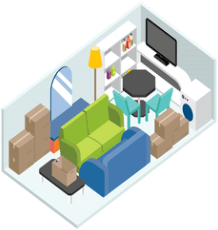
When considering storage unit sizes, it helps to relate them to familiar spaces. A small unit is ideal for the contents of a closet or a few boxes, making it a great choice for short term storage or seasonal items like holiday decorations. Medium units offer enough space for the contents of a one-bedroom apartment or a small house, including larger pieces of furniture and extra boxes. For those needing to store the contents of a larger house, business inventory, or even vehicles like jet skis or a car, large units provide the extra space and capacity required.
Security is another essential factor. Most storage units come with basic security features such as gated access, surveillance cameras, and sometimes specific gate hours to ensure your belongings are protected. If you’re storing high-value or sensitive items, look for a storage facility that offers enhanced security features or on-site management for added peace of mind.
Visiting the storage facility in person is a smart move. This allows you to see the available unit sizes, check the cleanliness and security of the facility, and confirm that the location is convenient for your needs. Don’t hesitate to ask about current discounts, promotions, or additional services like vehicle storage or temporary storage options, which can make your storage experience even more affordable and flexible.
Ultimately, determining your storage needs is about matching your belongings to the right unit size, ensuring there’s enough space for everything, and choosing a secure, well-maintained facility. By planning ahead and considering all the details—like climate control, security features, and access—you’ll find the perfect fit for your storage needs, whether you’re storing for a move, a renovation, or simply to create extra space in your life.
Types of Storage Units
First, let’s consider the different types of self-storage around Central Oregon. Many storage facilities offer a variety of unit sizes to accommodate different storage needs, from small lockers to large garage-style units. Garage-style units are especially versatile, providing ample space for storing vehicles, large furniture, or business equipment.
Most storage units are 8 to 10 feet tall, allowing you to stack boxes and furniture efficiently. Oversized units are also available for especially tall or bulky items. Storage units provide extra room for your stuff when you run out of space at home, making them ideal for organizing and storing belongings you don’t use every day.
You can store a wide range of items, including household goods, tools, valuables, and business inventory. When selecting the right size storage unit, consider the volume of your stuff and what you need to store. Common size storage units range from 4×5 lockers to 10×30 units. The average storage unit size is about 10 x 10 feet (100 square feet) and costs around $150 per month, while the largest standard size is 10 x 30 feet, costing approximately $277 per month.
Small storage units are ideal for limited items like boxes and seasonal clothing. Medium units can hold the contents of a one- to two-bedroom apartment. Large storage units are designed for maximum capacity and flexibility, suitable for larger households or commercial storage needs.
Uncovered Outdoor Storage:
This is the most basic type of storage and usually the most affordable option.
Who needs it? Outdoor storage is great for people who want to store large weatherproof items, like RVs, Campers, and Boats. It’s typically inside a fenced area with self-service access.
Outdoor Covered Storage:
This is usually offered on a limited basis at a larger storage facility for renters willing to pay a premium to keep their boat or RV out of the elements.
Drive Up-Storage:
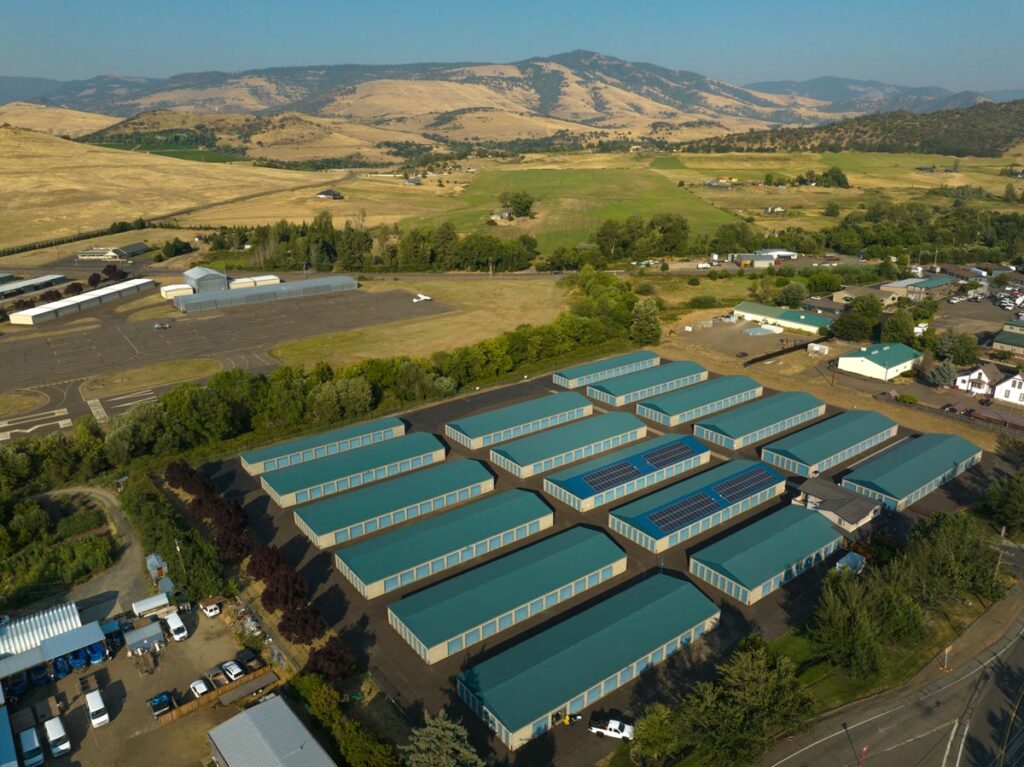
This is the most common storage offering in Central Oregon, drive-up storage is popular due its security features, ease of access and relative affordability.
Climate Controlled Storage:
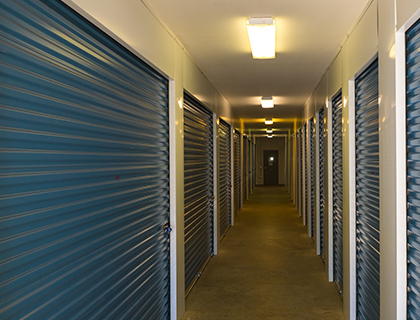
This is typically the most expensive type of storage and is great for people who need to store sensitive items, such as photos, personal or business documents, antiques, electronics, or other items that are sensitive to temperature and humidity. We offer climate controlled storage units in Hillsboro, Hood River, Prineville and at our Redmond self storage location.